
SaaS Development: A Complete Beginner-Friendly Guide
Today, almost every product you use on the internet — like Netflix, Canva, Google Drive, WhatsApp Web, Zoom — follows a SaaS model.
But what exactly SaaS is ?
How is SaaS software built?
Why are startups earning millions using SaaS?
Let’s understand everything step-by-step.
What Is SaaS? (Software as a Service)
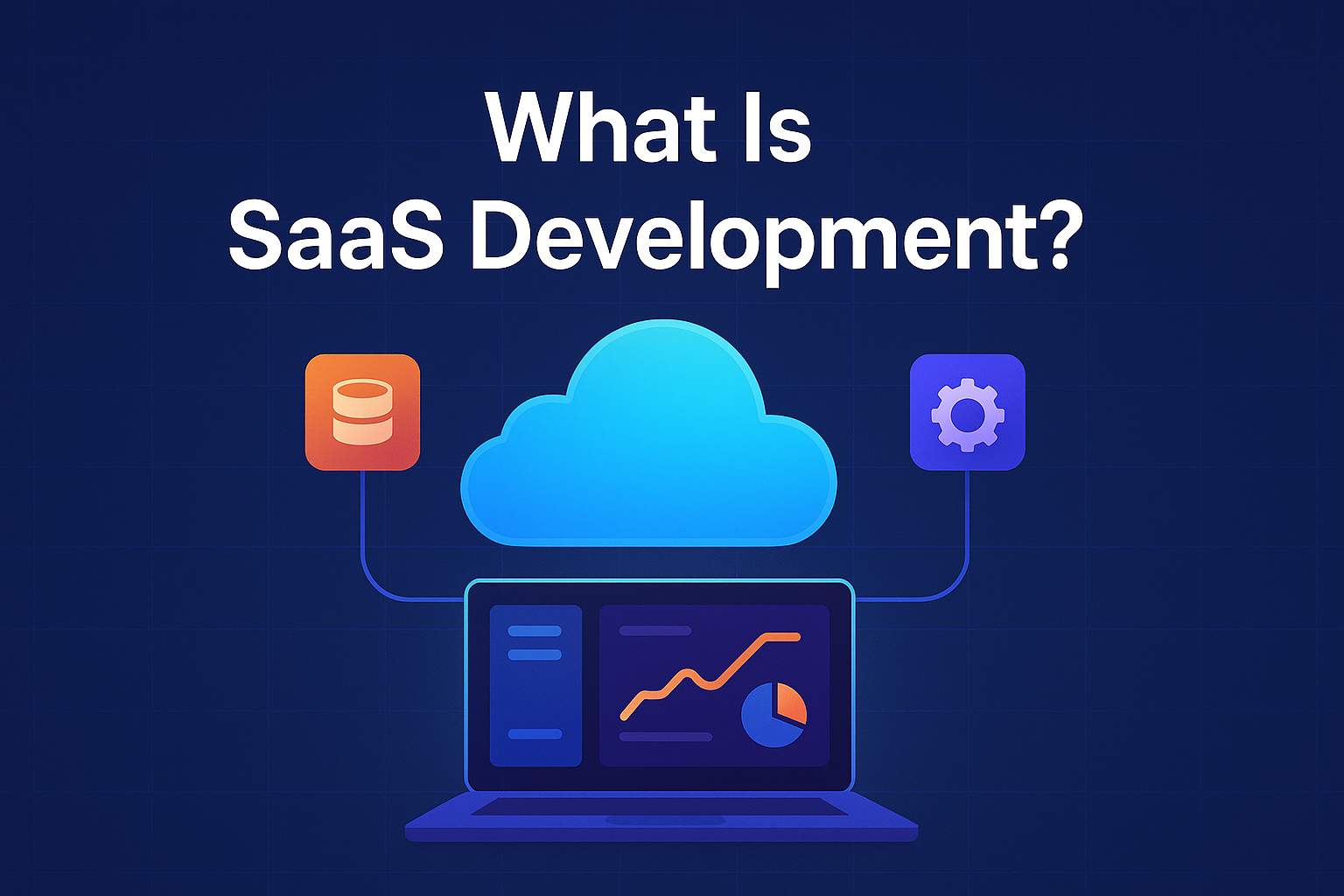
SaaS = Software hosted on the cloud + accessed through the internet.
No need to install or maintain anything on your computer.
You simply:
- Visit a website
- Log in
- Start using
Example:
Gmail, notepad apps, invoicing tools, CRM systems — all are SaaS.
Key Idea: The company runs the software, updates it, fixes bugs, and stores your data — while you only use it.
Why SaaS is a Game-Changer
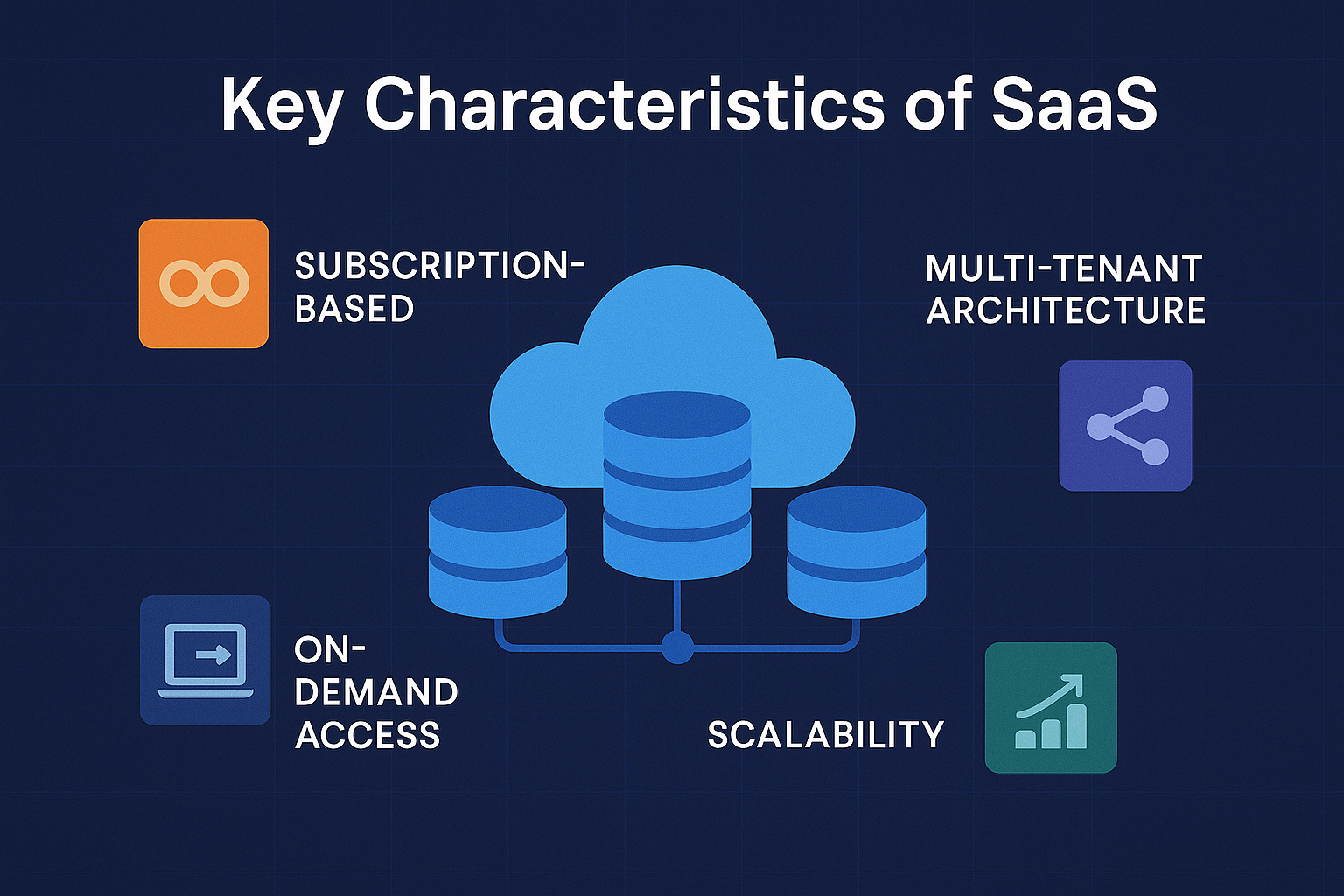
This is why SaaS companies like Shopify, Salesforce, Zoom, Slack are billion-dollar giants.
How SaaS Works (Simple Architecture)
A typical SaaS structure:
User → Frontend (Web App / Mobile App)

→ Backend (APIs, Authentication, Logic)

→ Database (Customer data, billing, app content)

→ Cloud Services (Storage, servers, security, scaling)
One backend can serve thousands of customers simultaneously.
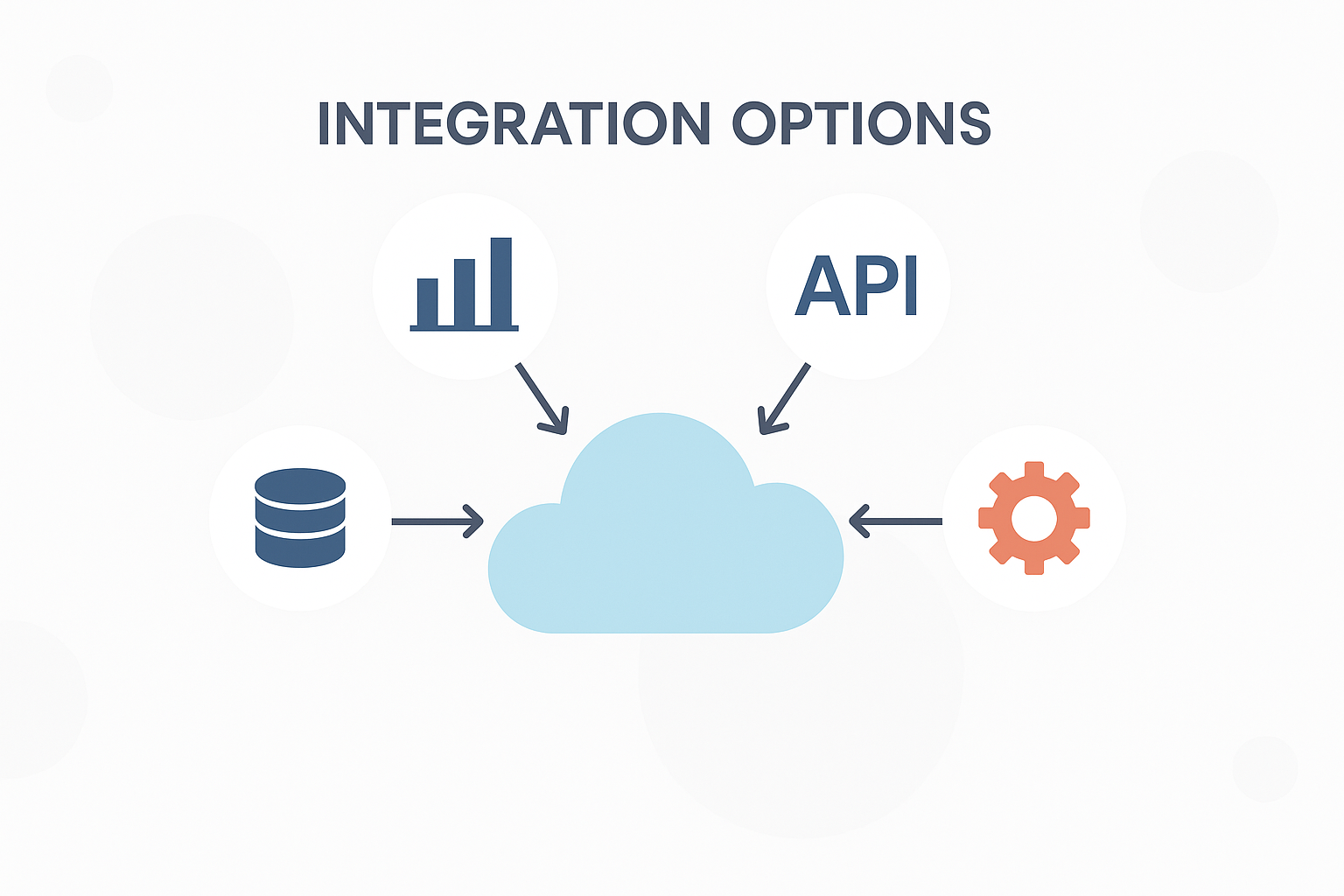
Types of SaaS Products
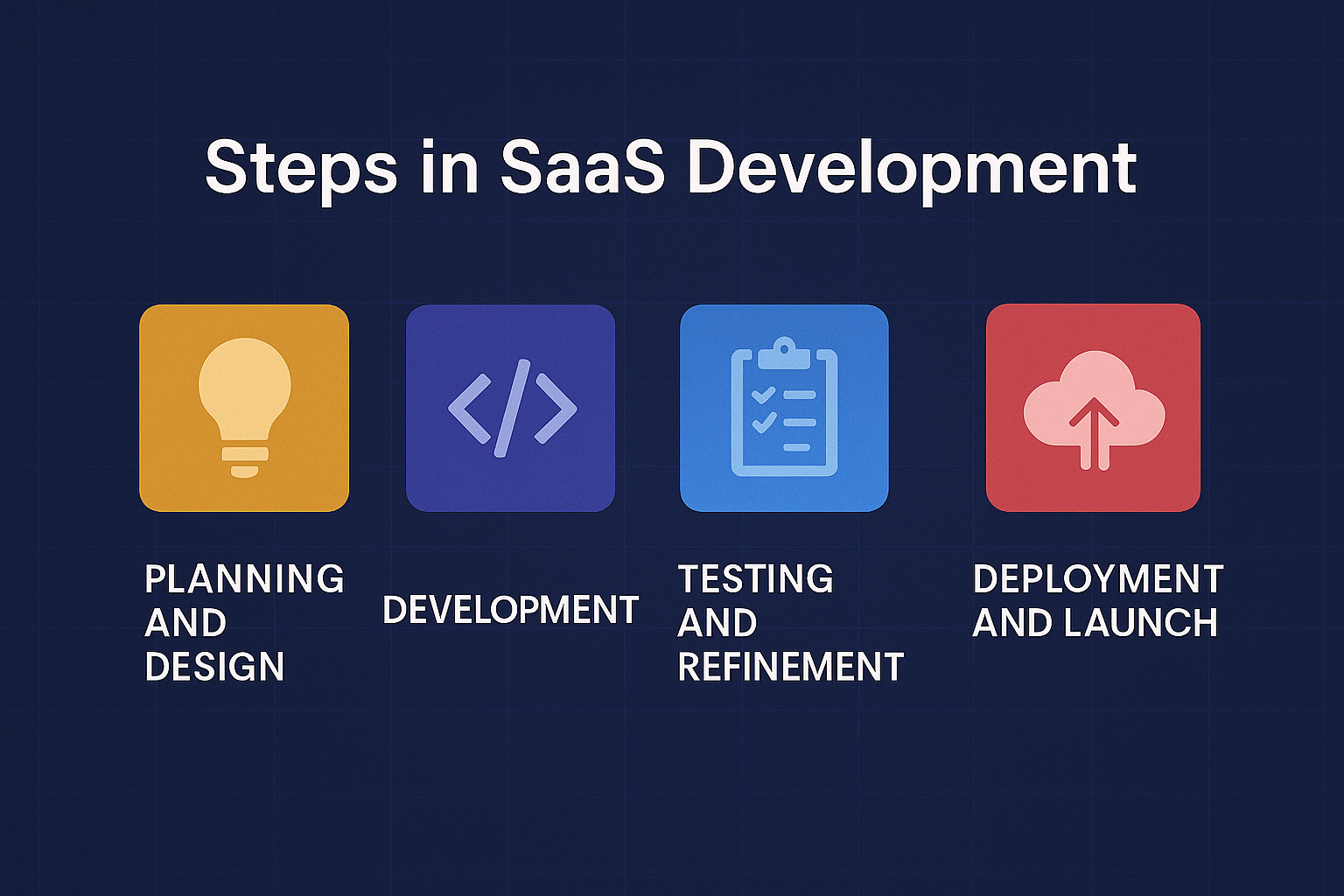
SaaS Development Phases
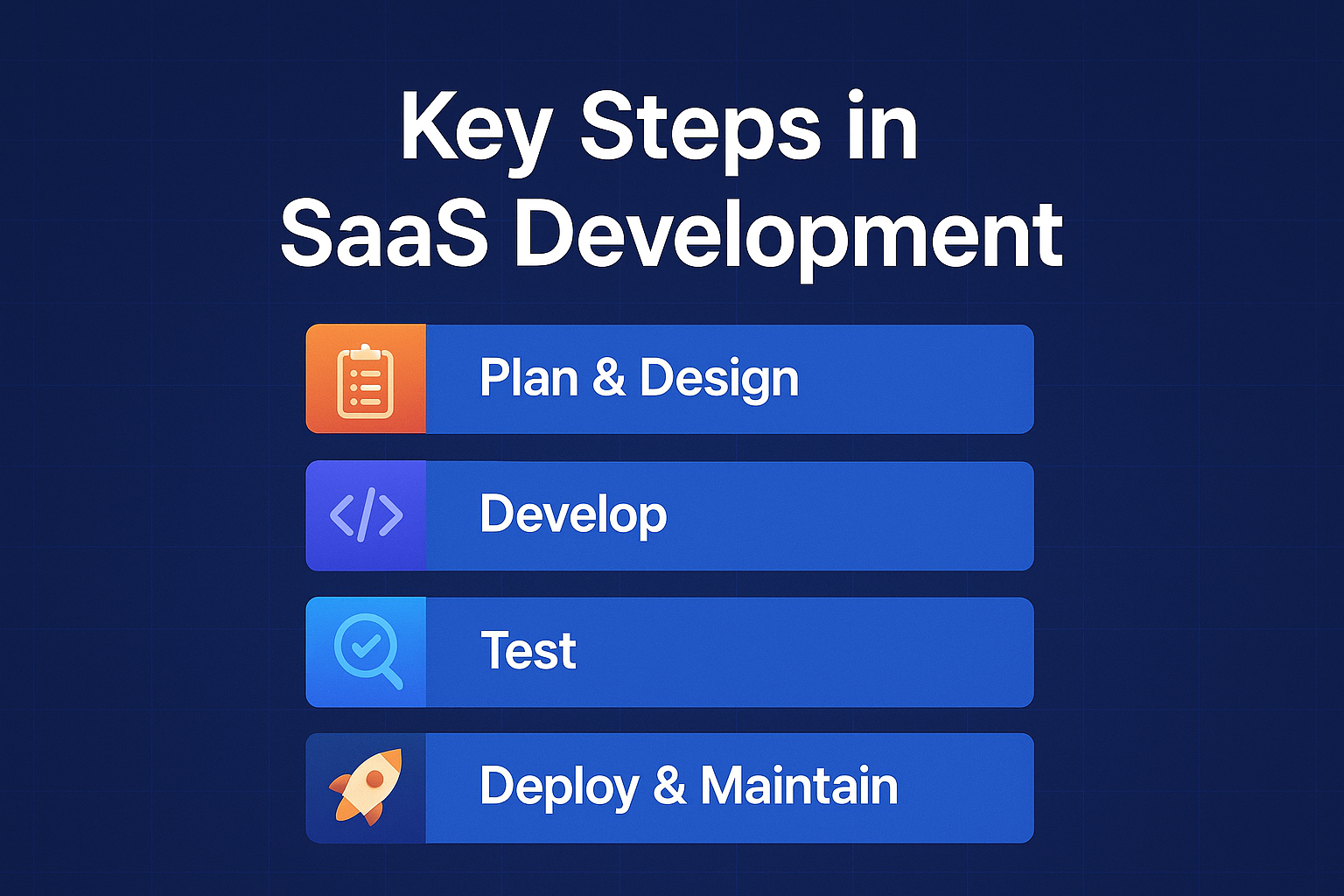
Here’s a full lifecycle of building a SaaS product:
Research & Planning
- Identify a real problem
- Define target market
- Competitor study
- Monetization model
Design
- Wireframes
- User experience
- Dashboard + onboarding flow
Development
Includes:
- Authentication (Login/Signup)
- Role-based access control
- Core features
- API development
- Cloud setup
- Payment / Billing integration
Testing
- Security testing
- Performance testing
- Bug fixes
Deployment
- Launch on the cloud
- Configure auto-scaling and monitoring
Maintenance & Updates
- Continuous improvements
- New features
- Customer support
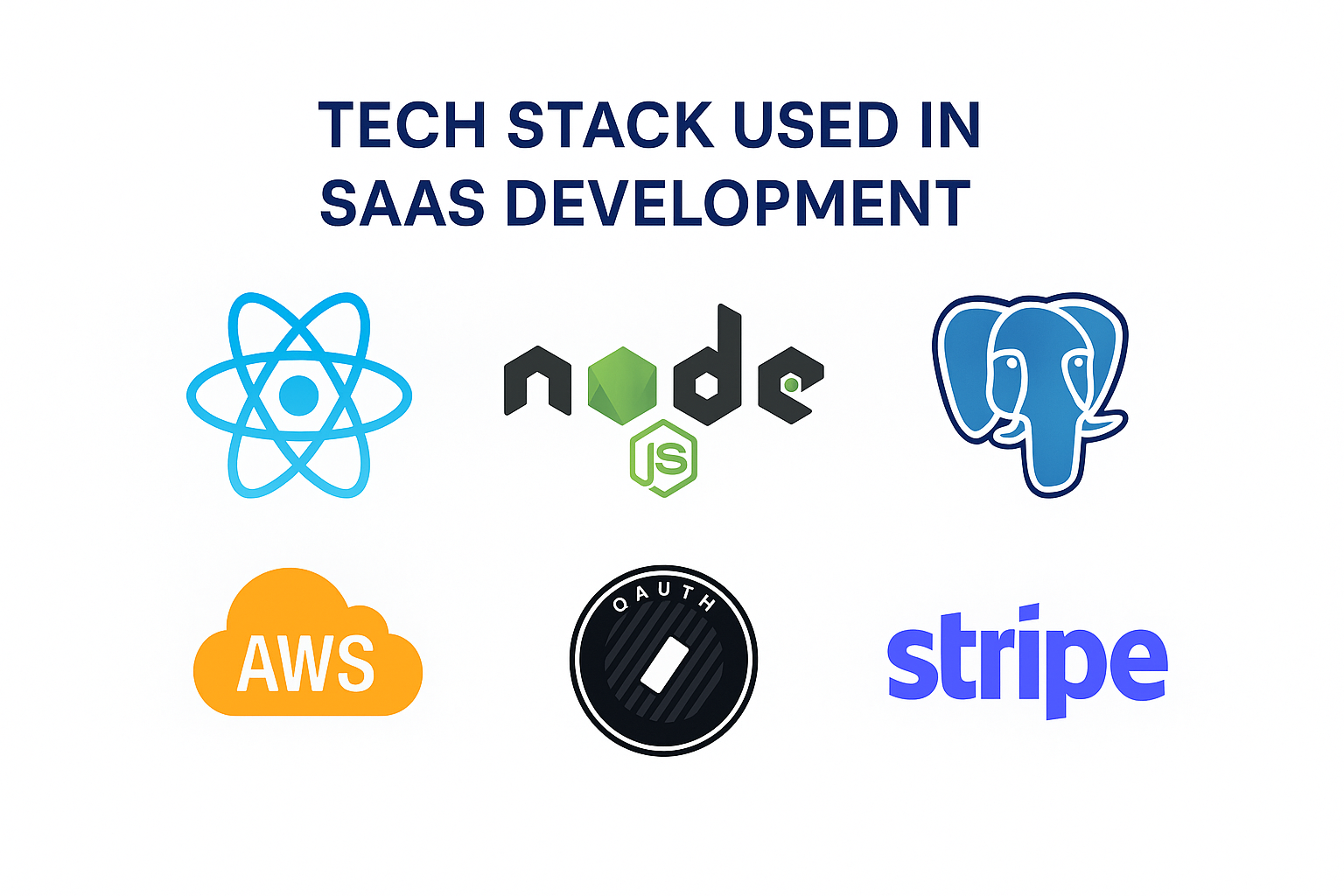
Tech Stack Used in SaaS Development
A common and powerful structure:
SaaS Security Requirements
Since SaaS stores sensitive user data, security is mandatory:
- Data Encryption (at rest & in transit)
- SSL (HTTPS)
- Multi-factor authentication
- Regular threat monitoring
- Secure backups
- GDPR / Privacy compliance
Pricing Models in SaaS
Growth & Scaling Strategy
To grow a SaaS business:
- Focus on onboarding experience
- Reduce churn (customer leaving rate)
- Provide customer support
- Add referral rewards
- Improve product continuously
- Track analytics (usage, feature adoption)
Successful SaaS Examples & Lessons
Lesson: If your product solves a daily business problem → SaaS can scale globally.
Future of SaaS
Upcoming trends:
- AI-powered automation
- No-code platforms
- Vertical niche SaaS
- Usage-based billing
- Super-apps for business management
SaaS market is growing like crazy — and this is the best time to build your own SaaS.
Final Words
SaaS Development is not just about coding — it’s about solving problems and delivering continuous value through the cloud.
If you build a SaaS product that makes someone’s life or business easier → They will happily pay every month. That’s the beauty of SaaS.