

Custom Web Development: A Complete Professional & Technical Deep Dive

In today’s digital-first world, a website is no longer just an Online presence. It has evolved into a revenue engine, automation system, customer acquisition tool, and the central identity hub for any business.
While pre-built template websites offer a quick way to get online, they often fail when a company grows and needs more than just a static presence. The moment a brand requires scalability, performance, automation, security, and custom workflows, templates reach their limits.
This is where Custom Web Development becomes a strategic investment. It ensures your digital infrastructure is built from the ground up aligned to business goals, optimized for long-term scale, and powered by modern technology.
What Is Custom Web Development?

Custom web development refers to the process of building a website or web application from scratch, using clean code, tailored architecture, and technologies that suit the specific goals of a business. Instead of working within the restrictions of prebuilt themes, the platform is engineered to:
- Support unique features
- Integrate with internal systems
- Scale without performance issues
- Enhance security
- Match brand identity perfectly
It’s the difference between renting a space and building your own property exactly the way you want.
Core Components of Custom Web Development
Custom development typically stands on three major pillars: Frontend, Backend, and Database. Each plays a critical role in delivering a seamless digital experience.
1. Frontend Development (Client-Side)
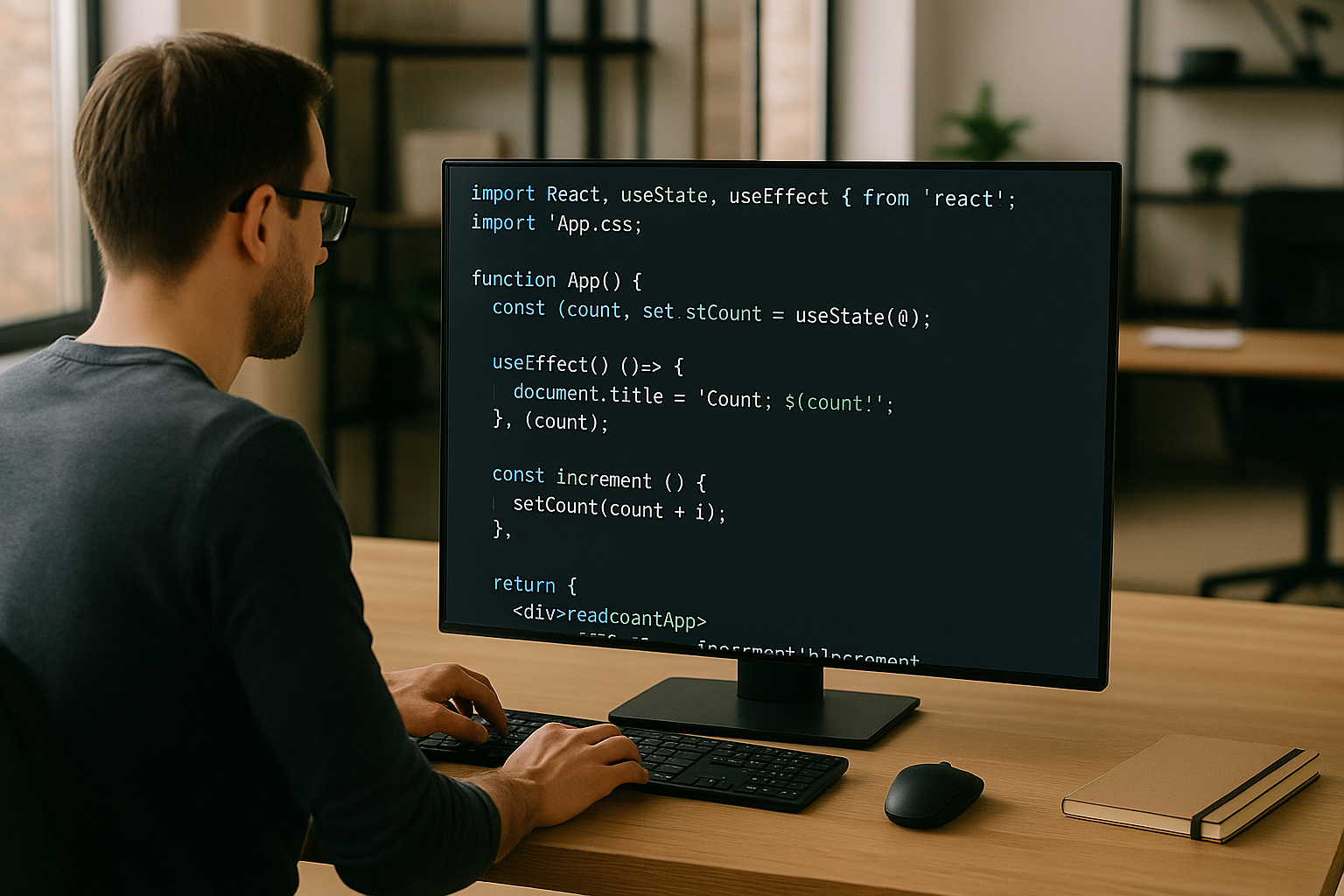
The frontend is everything the user interacts with: layouts, dashboards, animations, forms, navigation, responsiveness, and overall user experience.
Common Frontend Technologies
- HTML, CSS, JavaScript
- React.js, Next.js
- Angular, Vue.js
- TailwindCSS, Bootstrap
- Framer Motion, GSAP for animations
Role of Frontend in Custom Development
- Builds intuitive and interactive interfaces
- Ensures responsiveness across devices (mobile, tablet, desktop)
- Connects smoothly with backend APIs
- Enhances SEO (especially with SSR & SSG through Next.js)
- Provides flexibility to create dashboards, admin panels, and unique UI behavior
Modern frontend development focuses heavily on speed and user engagement, which directly influence lead conversions and customer satisfaction.
2. Backend Development (Server-Side)

The backend is the engine that powers the application. It handles business logic, server operations, automation, user management, API generation, and data processing.
Common Backend Technologies
- Node.js with Express.js
- Python (Django / Flask)
- PHP Laravel
- Java Spring Boot
- Ruby on Rails
- .NET
Key Backend Features
- Secure user authentication (JWT, OAuth)
- Database operations (CRUD functions)
- Role-based access and permissions
- Payment gateway integration
- Real-time features (live chats, notifications, tracking)
- Third-party API integration
- Email/SMS/WhatsApp automation
- Admin dashboards & analytics
Backend is the foundation of reliability. Whether it’s a small business portal or a complex SaaS platform, backend architecture ensures the system performs smoothly, securely, and consistently.
3. Database Layer

A database stores, organizes, and manages business data. The choice of database depends on data volume, complexity, speed requirements, and architecture design.
SQL Databases
- MySQL
- PostgreSQL
- MS SQL
NoSQL Databases
- MongoDB
- Firebase
- Cassandra
Database selection depends on:
- Data structure & complexity
- Scalability needs
- Response time expectations
- Real-time updates
- Transaction handling
A well-designed database ensures reliability, speed, and robustness.
Modern Architecture in Custom Web Development
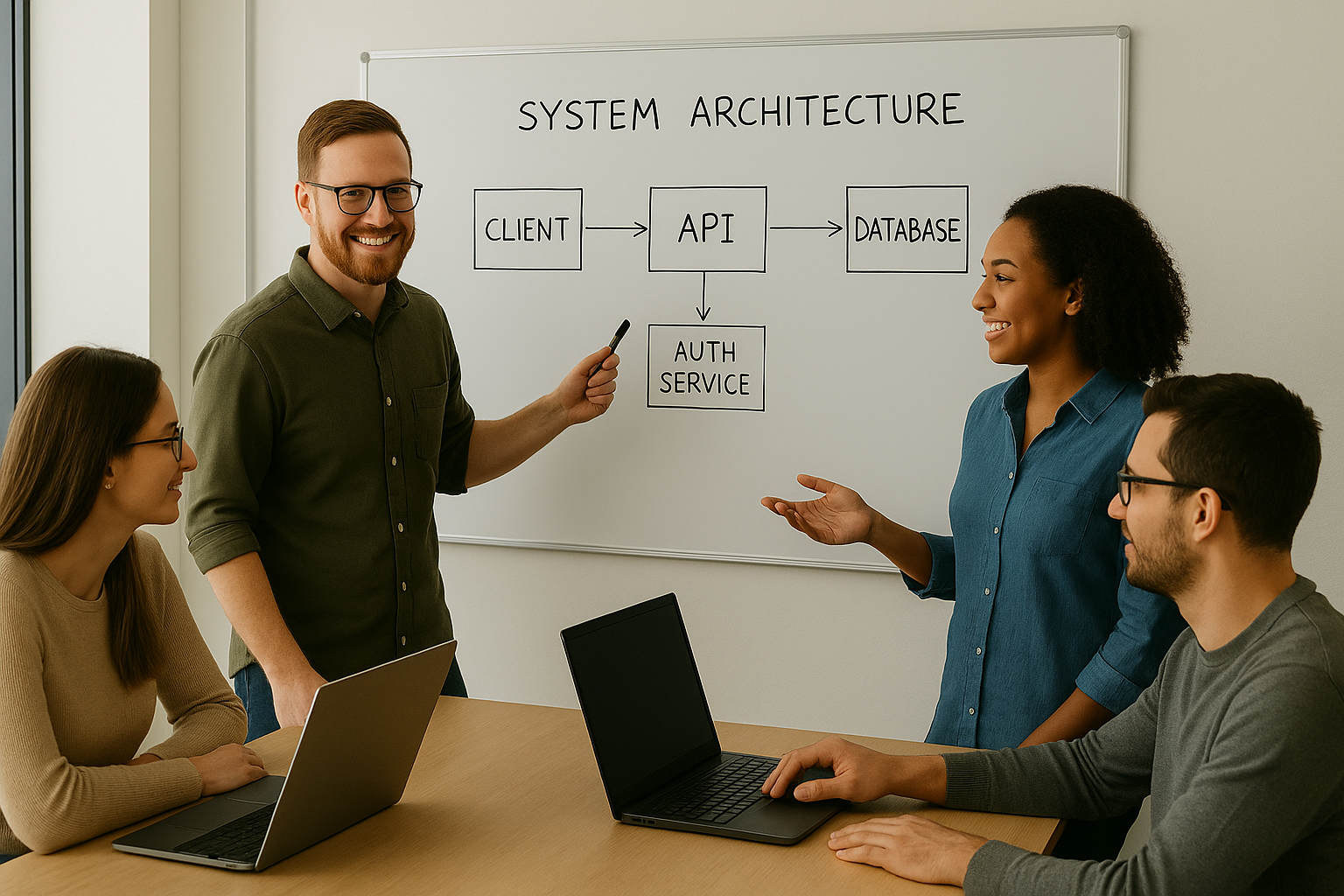
Today’s high-performing web applications rely on scalable and modular architecture patterns. Choosing the right one is crucial for long-term maintainability.
Typical Custom Architecture Example:
Frontend (React/Next.js)
▼
REST / GraphQL API
▼
Backend (Node.js / Django)
▼
Database (MongoDB / PostgreSQL)
▼
DevOps Infrastructure (AWS / Docker / CI/CD)
This layered structure ensures fast performance, secure operations, and easy scaling.
DevOps & Deployment in Custom Web Projects
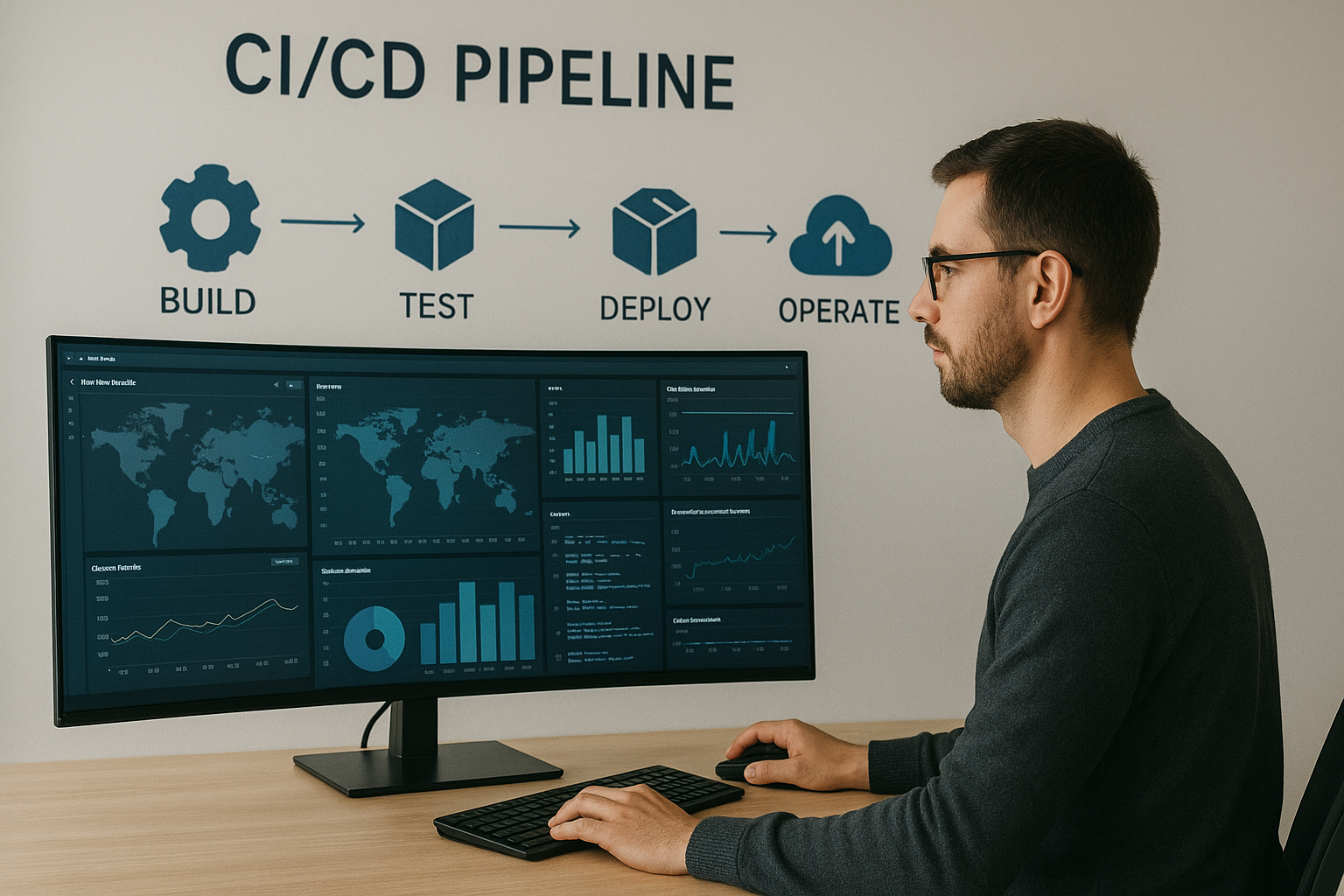
A professional-grade application needs a reliable infrastructure for hosting, monitoring, and deployment.
DevOps ensures systems remain stable even during heavy traffic, updates, or unexpected failures.
Security in Custom Web Development

With rising cyber threats, security is a non-negotiable priority.
Custom development allows security to be built deeply into the system rather than depending on plugin-based protection.
API Integrations
Custom platforms often need to connect with external tools:
- Razorpay, Stripe, PayPal (Payment Gateways)
- WhatsApp Business API & SMS Gateways
- Google Maps, Firebase
- CRM, ERP, SAP systems (Internal Systems)
- Analytics, marketing automation tools
API-powered automation eliminates manual work and improves business efficiency.
Testing & Quality Assurance
Professional development includes a structured testing pipeline.
Testing ensures a flawless experience before launch.
Why Businesses Prefer Custom Development Over Templates
Templates are built for the masses. Custom platforms are built for your business—your logic, your workflows, your goals.
Real Industry Use Cases

Every sector benefits from purpose-built features that templates cannot support.
Development Timeline (Approximate)
Timelines vary based on complexity and integrations.
Cost Distribution in Custom Development
Custom development requires a higher upfront investment but delivers long-term returns through automation, performance, and scalability.
Challenges in Custom Web Development
- Higher initial cost
- Requires an experienced development team
- Longer build time than templates
- Continuous updates & maintenance
However, these challenges are outweighed by long-term stability, scalability, and business ROI.
Future Trends in Web Development
The future of web development is rapidly evolving with trends like:
- AI-powered automation & personalization
- No-code + custom hybrid solutions
- Microservices & distributed architecture
- Cloud-first development
- Web 3.0 decentralized applications
- Real-time, multi-platform systems
Businesses that adopt modern architectures gain a significant competitive advantage.
Conclusion
Custom web development has become the backbone of modern digital businesses. It brings together:
- Tailored UI/UX
- Scalable frontend & backend engineering
- Robust database architecture
- Cloud infrastructure
- Enterprise-level security
- Long-term scalability
Pre-designed templates may help you get started, but custom solutions help you grow, scale, automate, and lead your industry.
They deliver:
- Faster performance
- Better security
- Unlimited scalability
- Custom workflows
- Strong branding & full ownership
Templates are temporary. Custom development builds digital legacy.